
What to Track Before Spending More on Ads
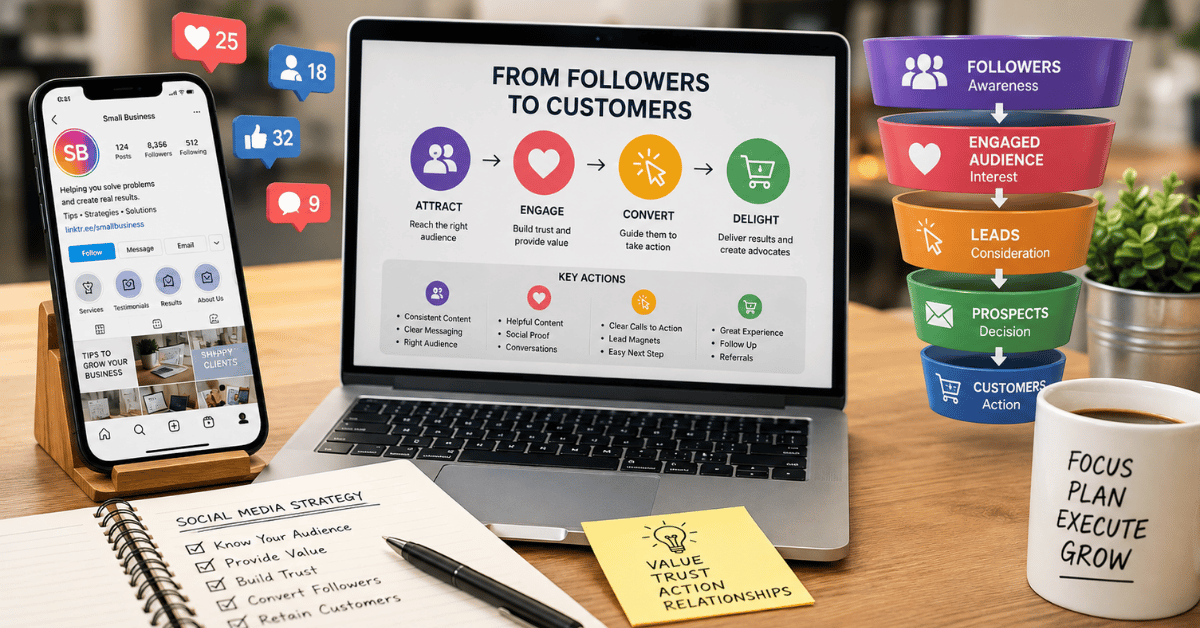

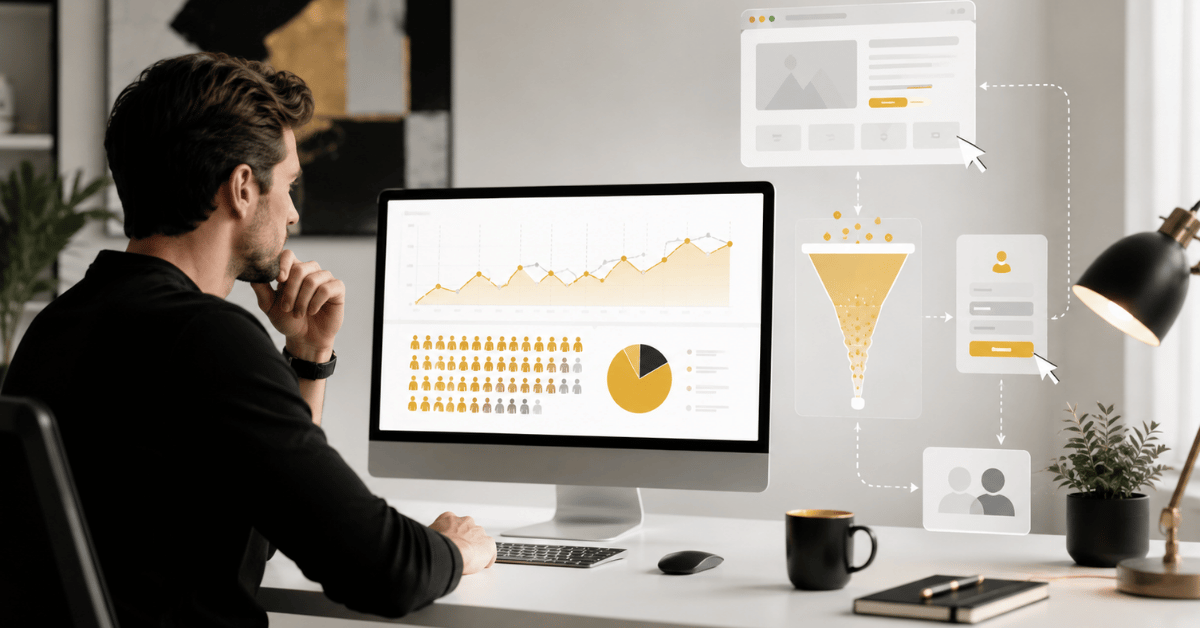



Table of Contents
What to track before spending more on ads is one of the most important questions a small business can ask before increasing its marketing budget.
More ad spend can bring more clicks, more website visits, and more visibility. But if your tracking is unclear, your landing page is not converting, or your follow-up process is weak, spending more may not solve the problem.
It may only make the problem more expensive.
Before increasing your budget, you need to understand what happens after someone clicks. Are they becoming a lead? Are they the right type of lead? Is your team following up quickly? Are those leads turning into real opportunities?
Paid ads can be very effective for small businesses, but they work best when they are connected to a clear system.
More Ad Spend Can Make Problems Bigger
It is easy to assume that if ads are not producing enough results, the answer is to spend more.
Sometimes that is true.
But many small businesses increase budget before understanding why the current campaign is not performing. If the message is unclear, the audience is too broad, the landing page is weak, or leads are not being followed up properly, a bigger budget will usually create more waste.
More clicks do not automatically mean more customers.
A campaign can look active inside the ad platform while still failing to create meaningful business opportunities. That is why you need to look beyond impressions, clicks, and traffic.
Before scaling your ads, make sure you know what your current budget is actually producing.
Start With What Happens After the Click
The click is only the beginning.
After someone clicks an ad, they land somewhere: a service page, landing page, product page, booking page, or contact form. That page has to continue the conversation started by the ad.
If the ad says one thing and the page says something too general, people may leave. If the page does not explain the offer clearly, visitors may hesitate. If the call to action is hidden, weak, or confusing, they may not take the next step.
This is why you should track what happens after the click.
Look at whether people stay on the page, click the CTA, submit a form, call your business, book an appointment, or leave without action.
If your website is already getting visitors but not producing inquiries, the issue may not be the ad budget. It may be the conversion path.
Our article on website traffic but no leads explains why visitors may not be turning into real opportunities.
Track Conversions That Actually Matter
Not every action has the same value.
A page view is not the same as a form submission. A click is not the same as a booked call. A newsletter signup may be useful, but it may not have the same urgency as a quote request.
Before spending more on ads, define what a real conversion means for your business.
For a service-based small business, that may be a phone call, consultation request, contact form, booking, quote request, or demo request. For a local business, it may also include direction requests or calls from a Google Business Profile. For an ecommerce business, it may include purchases, abandoned carts, or repeat orders.
The goal is not to track everything.
The goal is to track the actions that show real buying intent.
When conversion tracking is unclear, it becomes hard to know whether ads are working. You may be paying for traffic that looks good on a report but does not move the business forward.
Understand Lead Quality, Not Just Lead Volume
More leads are not always better.
A campaign may generate a lot of inquiries, but if most of them are not a good fit, the campaign may not be as strong as it looks. Some leads may be outside your service area. Some may not have the budget. Some may be asking for a service you do not offer. Some may not be ready to make a decision.
This is why small businesses should track lead quality before increasing ad spend.
A smaller number of qualified leads can be more valuable than a large number of poor-fit leads.
To understand quality, you need to connect your ads with your sales process. Which leads became real conversations? Which ones requested pricing? Which ones booked a call? Which ones became customers?
That is the difference between tracking activity and tracking business value.
Our guide on marketing tracking for small businesses explains how to connect traffic, campaigns, leads, and conversions in a way that supports better decisions.
Make Sure Your Landing Page Is Ready
Before scaling ads, your landing page needs to be ready to convert.
This does not mean the page has to be complicated. In fact, simple is usually better.
A strong landing page should make the offer clear, explain who it is for, build trust, and make the next step easy. The visitor should not have to guess what your business does or why they should contact you.
If your landing page is too vague, too slow, too cluttered, or too disconnected from the ad, people may leave even if they were interested.
For small businesses, this matters because every click costs money.
Before spending more, review the page your ads are sending people to. Does it match the ad message? Does it speak to the right customer? Does it give people enough confidence to take action?
If not, improving the page may give you better results than increasing the budget.
Check Your Follow-Up System
Ads do not end when someone submits a form.
That is where the next part of the process begins.
If a lead contacts your business and does not hear back quickly, the opportunity can go cold. They may contact a competitor, lose interest, or forget why they reached out.
For many small businesses, the problem is not that ads are failing. The problem is that the follow-up system is not strong enough.
Before spending more, ask whether your business can handle more leads properly.
Who receives the inquiry?
How fast does the team respond?
Is there an automatic confirmation?
Is the lead added to a CRM?
Is there a reminder if no one follows up?
Is there a clear next step after the first contact?
You do not need a complex system, but you do need a reliable one.
This is where marketing automation for small businesses can help. Automation can support lead notifications, confirmation emails, follow-up reminders, CRM updates, and email sequences so opportunities are less likely to fall through the cracks.
Use a CRM Before Scaling Lead Generation
If you are planning to spend more on ads, you need a place to manage the leads that come in.
Without a CRM, leads can easily get scattered across email inboxes, spreadsheets, forms, phone calls, DMs, and notes. That may work when volume is low, but it becomes harder as campaigns grow.
A CRM helps your business see who contacted you, where they came from, what they need, what stage they are in, and what should happen next.
This is important because ad performance should not stop at the lead.
You need to know which leads became qualified opportunities and which ones turned into customers.
If your business cannot track that, it will be difficult to know whether more ad spend is actually creating growth.
Our article on CRM for small business explains why a lead management system should come before increasing lead volume.
Look at the Full Marketing Funnel
Ads are only one part of the customer journey.
A person may see your ad, click to your website, read a page, leave, come back later, check your reviews, visit your Google Business Profile, join your email list, and then contact you days or weeks later.
That is why it is important to look at the full funnel instead of judging ads in isolation.
Your ad creates attention.
Your landing page explains the offer.
Your CTA captures interest.
Your follow-up starts the conversation.
Your CRM tracks the opportunity.
Your reporting shows what worked.
If one part is weak, the whole system can suffer.
Before scaling ads, make sure the journey from click to customer is clear enough to support more traffic.
For a deeper look at this process, read our guide on marketing funnel for small business.
When It Makes Sense to Spend More
Spending more on ads makes sense when you have enough visibility to know what you are scaling.
You do not need a perfect system, but you should know which campaigns are generating leads, which leads are qualified, which pages are converting, and whether your follow-up process is working.
At that point, increasing budget becomes a strategic decision.
You are not simply hoping more traffic will fix the problem. You are investing more into a system that already shows signs of working.
That is the difference between scaling and guessing.