
Why Your Website Is Getting Traffic But No Leads
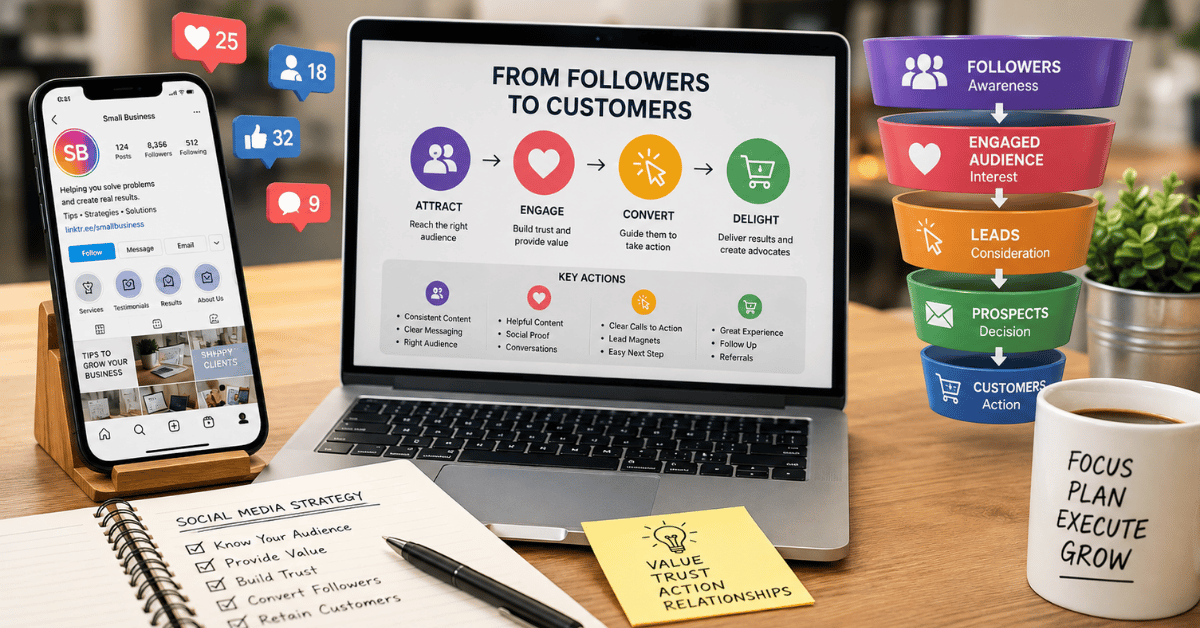



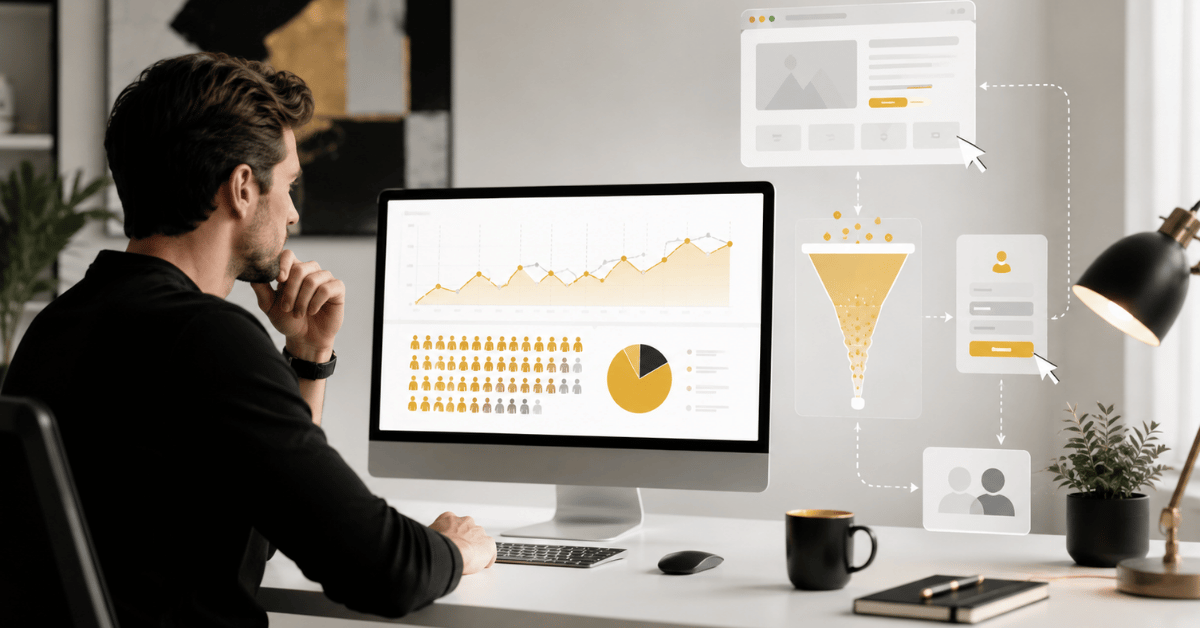
Table of Contents
Website traffic but no leads is one of the most frustrating problems for small businesses because it can feel like your marketing is almost working — but not quite.
People are finding your business. They are landing on your website. Maybe they are reading your pages, clicking around, or coming from Google, social media, paid ads, or referrals.
But they are not filling out the form.
- They are not booking the call.
- They are not asking for a quote.
- They are not becoming real opportunities.
For small businesses, this is frustrating because traffic alone does not pay the bills. What matters is whether that traffic turns into conversations, inquiries, customers, and revenue.
The good news is that this problem is usually fixable. In many cases, the issue is not that your website needs more visitors. It needs a clearer path from visitor to lead.
Traffic Is Not the Same as Demand
One of the biggest mistakes small businesses make is assuming that more traffic automatically means more leads.
It does not.
A website can get plenty of visits and still fail to generate business if the visitors are not the right people, the message is unclear, or the next step feels confusing.
For example, your traffic may be coming from broad keywords that do not match your services. Or people may be visiting blog posts but never moving to a service page. Or your ads may be bringing clicks from people who are curious, but not ready to buy.
This is why traffic should never be judged alone.
The better question is: are the right people reaching the right pages with a clear reason to take action?
Your Website May Not Be Speaking to the Right Customer
A small business website should quickly answer a few important questions.
- Who do you help?
- What problem do you solve?
- Why should someone trust you?
- What should they do next?
If the website talks too generally, visitors may not feel like the service is meant for them.
For example, saying “we help businesses grow online” is fine, but it is broad. Saying “we help small businesses improve visibility, generate qualified leads, and build marketing systems that are easier to track” is much clearer.
Specificity helps visitors recognize themselves in the message.
If your website is getting traffic but no leads, review your homepage and service pages from the perspective of a first-time visitor. Would they immediately understand what you do and why it matters to them?
The Call to Action May Not Be Clear Enough
Sometimes people do not convert because the next step is not obvious.
A visitor may like your business, but if the website gives them too many options or hides the main action, they may leave without doing anything.
A strong call to action does not need to be aggressive. It just needs to be clear.
Instead of a vague button like “Learn More,” a service-based business may perform better with something more direct, such as “Book a Consultation,” “Request a Quote,” or “Talk to Our Team.”
The CTA should match the intent of the page.
If someone is reading a service page, they may be ready to contact you. If someone is reading an educational blog post, they may need a softer next step, such as reading a related guide, joining an email list, or contacting you for help with that specific problem.
This is where a marketing funnel for small business becomes useful. It helps connect each stage of the customer journey so visitors are not left wondering what to do next.
Your Service Pages May Be Too Thin
Many small business websites rely too much on the homepage.
The homepage introduces the business, but it usually cannot explain every service in enough detail. If your service pages are short, vague, or missing, visitors may not get enough information to feel confident reaching out.
A good service page should explain the problem, the service, who it is for, how it helps, and what makes your approach different.
It should also include trust signals, such as testimonials, examples, case studies, reviews, or clear explanations of your process.
People rarely contact a business just because a service exists. They contact a business when they understand the value and feel confident that the business can help.
You May Be Attracting the Wrong Traffic
Not all traffic has the same value.
Some visitors are simply researching. Some are looking for free information. Some are outside your service area. Some may not have the budget. Some may be looking for something similar, but not exactly what you offer.
This is why keyword intent matters.
A visitor searching “what is SEO” is in a very different stage than someone searching “SEO agency for small businesses near me.” A visitor reading a general educational post may not be ready to become a lead yet, while someone visiting a specific service page may be closer to taking action.
If your website gets traffic but no leads, look at where that traffic is coming from and which pages people are landing on.
Are people finding your most important service pages?
Are your blog posts leading visitors toward relevant next steps?
Are your keywords aligned with your actual offers?
If your business is struggling with visibility in the first place, our guide on why is my business not showing up on Google explains the most common local SEO and indexing issues.
Your Website May Not Build Enough Trust
Before someone becomes a lead, they need to trust you.
This is especially true for small businesses. Visitors may compare you with competitors, read reviews, check your Google Business Profile, visit your social media, or look for signs that your business is credible.
Trust can come from simple things:
- Clear messaging.
- Professional design.
- Real testimonials.
- Updated photos.
- Case studies.
- Reviews.
- Helpful content.
- Easy-to-find contact information.
- A clear explanation of your process.
If your website feels generic, outdated, or incomplete, visitors may hesitate even if they are interested.
Your Google presence also plays a role here. For many local businesses, people will check your profile before they contact you. An optimized Google Business Profile for small businesses can support trust by showing accurate information, reviews, photos, services, and customer actions.
Your Follow-Up System May Be Weak
Sometimes the website does generate leads, but the business does not convert them because the follow-up is too slow or inconsistent.
A lead may fill out a form and wait too long for a response. Someone may book a call but receive no confirmation. A prospect may ask a question and never receive a helpful follow-up.
For small businesses, speed matters.
If a lead is interested today, they may not be interested three days from now. They may have contacted another business, changed priorities, or simply forgotten.
This is where marketing automation for small businesses can help. Automation can send confirmation emails, notify your team, organize leads, trigger follow-up sequences, and reduce the chance of opportunities falling through the cracks.
You May Not Be Tracking the Right Things
If your website is getting traffic but no leads, you need to know where the problem is happening.
- Is the traffic coming from the right channels?
- Are people landing on the right pages?
- Are they clicking your calls to action?
- Are forms working properly?
- Are phone calls being tracked?
- Are leads coming in but not being recorded?
- Are some channels bringing better leads than others?
Without tracking, it is easy to guess wrong.
You may think SEO is not working when the real issue is the landing page. You may think ads are working because clicks are increasing, but the leads may be low quality. You may think the website is the problem when the real issue is slow follow-up.
A better tracking setup helps you see what is actually happening.
Our guide on marketing tracking for small businesses explains how to connect traffic, leads, campaigns, and conversions so your decisions are based on data instead of assumptions.
The Real Issue Is Usually the System
When a website gets traffic but no leads, the problem is rarely one single thing.
- It may be the message.
- It may be the offer.
- It may be the traffic source.
- It may be the service page.
- It may be the CTA.
- It may be the trust signals.
- It may be the tracking.
- It may be the follow-up.
That is why small businesses need to look at the full journey, not just one metric.
Traffic is only the beginning. The real goal is to create a system that turns the right visitors into qualified leads and gives those leads a clear reason to take the next step.
If your business needs help connecting visibility, website strategy, lead generation, tracking, and follow-up, our digital marketing services for small businesses can help you build a clearer path from traffic to customers.