
Differences Between Meta Ads,
Google Ads & TikTok Ads

![🧠 Muchos creen que Starbucks triunfó solo por su café. La realidad es otra: entendieron que el negocio no está en el producto, sino en la pertenencia y la experiencia. [00:00]
Desde tu nombre en el vaso hasta el aroma al entrar, cada detalle está diseñado para que no solo compres un café, sino una pausa con identidad. Esto es marketing sensorial en su máxima expresión. [00:12]
👉 Esta es una lección clave de marketing: crea experiencias, no solo transacciones. Si logras que tu cliente sienta algo antes de pagar, tu marca será recordada y no solo consumida. [00:17]
Si quieres aplicar este tipo de pensamiento estratégico a tu negocio y dejar de improvisar con tácticas sueltas, puedes conocer cómo trabajamos en Athan Marketing.
#MarketingSensorial #Starbucks #EstrategiaDeMarketing #ExperienciaDeCliente #AthanMarketing #Emprendimiento](https://athanmarketing.com/wp-content/plugins/feeds-for-youtube/img/placeholder.png)
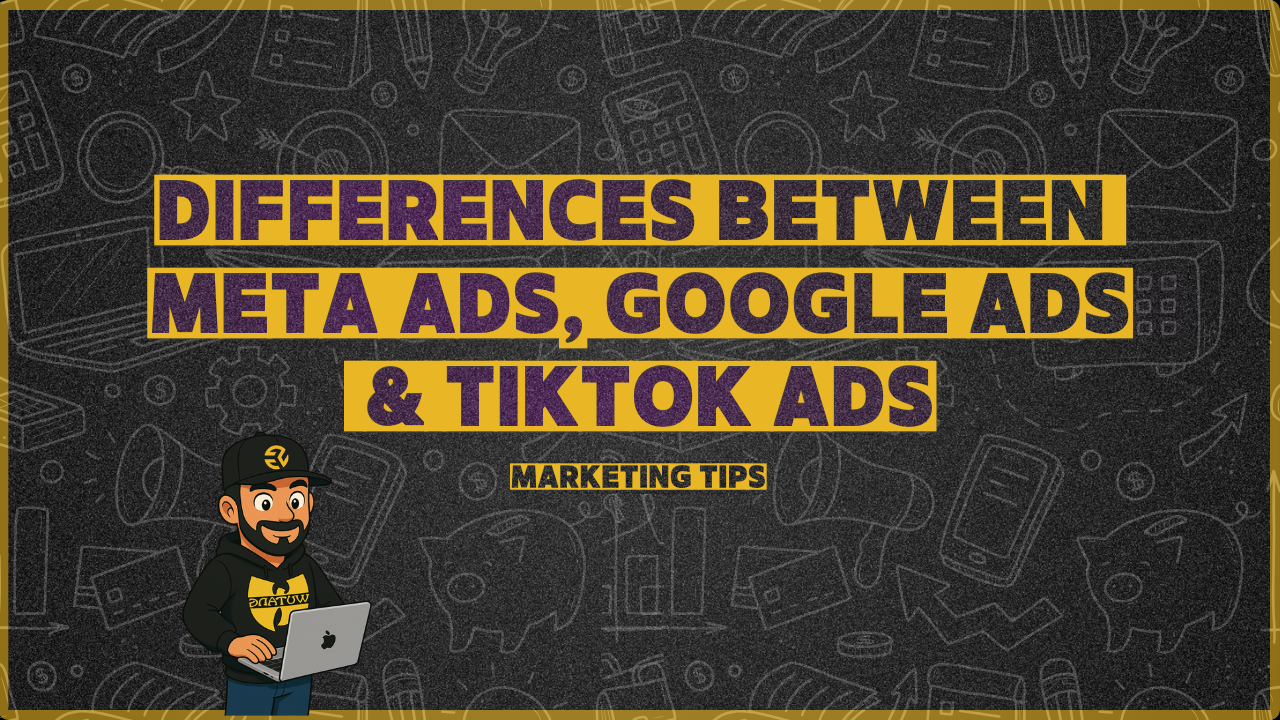
Table of Contents
Understanding the differences between Meta Ads, Google Ads, and TikTok Ads is essential if you want to invest your budget wisely and choose the right platform for each stage of your marketing funnel. Each platform works with a different mindset, level of intent, and type of user behavior — and knowing this helps you run campaigns that actually convert.
Why Knowing the Differences Matters
Not all traffic is created equal. A visitor coming from a high-intent Google Search click behaves very differently from someone scrolling through Instagram or TikTok.
Misunderstanding this is one of the biggest causes of wasted ad spend.
Here’s what misalignment looks like:
- A Google Ads campaign running for a product nobody is actively searching for.
- Meta creatives that look like traditional commercials and fail to capture attention.
- TikTok Ads that don’t feel native and immediately lose momentum.
- A brand using the same message and creative across platforms with completely different user behavior.
When you choose the right channel with the right intention, everything flows.
Meta Ads: Visual and Interest-Driven Discovery
Meta Ads (Facebook and Instagram) operate on interruption and interest-based targeting. People are not actively looking for your product, so you must enter their world with visuals and messaging that instantly capture attention.
Meta is ideal when your offer is aspirational or lifestyle-related, when you need to build awareness or nurture interest, or when you want to scale volume quickly.
Its personality is emotional, visual, and audience-based. It is powerful for storytelling and retargeting but dependent on strong creative. If your creative isn’t engaging within seconds, performance drops.
Google Ads: High Purchase Intent
Google Ads capture existing demand. Users arrive with clarity and urgency, ready to find solutions.
Google works best when your offer solves a specific problem, when your industry has active search volume, when buyers are ready to take action, or when you’re selling high-ticket or local services.
Its personality is rational, intent-driven, and problem-solving. People searching on Google don’t want entertainment. They want answers. If your ad meets their intent, conversions come naturally.
TikTok Ads: Creativity, Speed, and Virality
TikTok is built for fast, native storytelling. Authenticity beats polish. If the creative feels real, it can explode in reach. If not, the algorithm ignores it.
TikTok is ideal for products with a wow factor, brands targeting younger audiences or early adopters, companies that want massive reach quickly, and teams capable of producing frequent UGC-style videos.
Its personality is fast, creative, organic-looking, and entertainment-first. It is unmatched for creating momentum but requires continuous testing and iteration.
How to Choose the Right Platform
Even the best offer fails when placed on the wrong channel. Choosing between Meta Ads, Google Ads, and TikTok Ads depends on your audience’s intent, your creative capacity, the complexity of your offer, the platforms where your buyers spend time, and the stage of your marketing funnel.
General guidance:
- Google Ads capture demand.
- Meta Ads create and nurture demand.
- TikTok Ads generate reach, test creative angles, and build brand momentum.
The most profitable brands integrate all three into one system where each channel plays a role, rather than relying on a single platform.
Marketing Curiosity of the Week
Brands that align their ad channels with user intent can reduce acquisition costs by up to 40 percent because every message meets the right audience at the right moment. When the ad matches the platform, conversions feel effortless.
Ready to Choose the Right Platform for Your Growth?
At Athan Marketing, we help businesses understand the differences between Meta Ads, Google Ads, and TikTok Ads, refine their messaging for each platform, and build ad systems that turn budget into predictable revenue.
If you want ads that stop wasting money and start scaling smart, we can help.
Fix Your Marketing. Scale Smart.
Keep Learning: More Marketing Insights
If you found this helpful, explore more articles to strengthen your marketing foundations:
Share on Social Media
Frequently Asked Questions About Ads Platforms
What are the main differences between Meta Ads, Google Ads, and TikTok Ads?
The main differences between Meta Ads, Google Ads, and TikTok Ads come down to user intent and platform behavior. Google Ads capture high-intent users searching for solutions, Meta Ads reach interest-based audiences through visual storytelling, and TikTok Ads rely on creative, native-style content that can scale reach quickly. Each platform serves a different stage of the marketing funnel.
Which platform is best for conversions?
Google Ads typically generate the highest conversion rates because users are actively searching for solutions. Meta Ads can convert well when supported by strong creatives and retargeting. TikTok Ads drive volume and awareness but usually require nurturing before conversions occur.
Should I run the same ad on all three platforms?
No. The differences between Meta Ads, Google Ads, and TikTok Ads mean each platform needs unique creatives and messaging. Meta and TikTok require visual, scroll-stopping content, while Google demands keyword-aligned, intent-driven messaging. Reusing the same ad usually hurts performance.
Which platform is best for small businesses?
It depends on your goals. Google Ads are ideal for service-based businesses capturing local demand. Meta Ads work well for brands needing awareness and low-cost reach. TikTok Ads are optimal for visually appealing or innovative products targeting younger audiences.
Why do Google Ads cost more per click than Meta or TikTok?
Because Google Ads capture buyers with high purchase intent. Competition increases prices, especially for industries like legal, healthcare, and home services. Even with higher CPCs, Google often delivers stronger ROI when aligned with the right keywords and landing pages.
Can TikTok Ads work for B2B?
Yes, but the approach must be creative and human-focused. TikTok is not a traditional B2B platform, but brands using storytelling, behind-the-scenes content, and educational UGC can generate strong top-of-funnel awareness and interest.
Should I start with one platform or all three?
Start with the platform that aligns best with your goals and your audience’s intent. For most businesses:
Google captures demand now.
Meta creates and nurtures demand.
TikTok expands reach and tests creative angles.
Once your funnel is working, layering platforms creates compounding growth.
Do Meta Ads still work with all the algorithm changes?
Yes. Meta Ads continue to perform when creatives are strong, messaging is clear, and campaigns follow best practices. The biggest performance declines come from weak creatives, not algorithm updates.
What type of business benefits most from TikTok Ads?
Brands with visual products, strong storytelling angles, impulse-friendly offers, or younger audiences see the best results. TikTok’s algorithm rewards authenticity and experimentation more than polished production.
How do I know which platform to use for my business?
Identify your buyer’s intent, your creative capacity, and your offer complexity. If your audience is searching for a solution, start with Google. If your brand needs awareness or nurturing, use Meta. If your product is highly visual or trend-driven, test TikTok. The key is matching platform behavior with your customer journey.